

NeuroInterventional Surgery
Our NeuroInterventionalists perform advanced minimally invasive procedures to help patients get back to their lives and families.
NeuroInterventionalists treat conditions that affect blood vessels in the brain and spine (cerebrovascular disease). Other names for Vascular Interventional Neurology include endovascular neurosurgery, and neurointerventional radiology.
We combine extensive expertise and compassionate care to deliver exceptional safety, quality and patient outcomes.
Conditions We Treat
We provide advanced, minimally invasive treatment for blood vessel conditions of the brain and spine.

- Arteriovenous Malformations (AVMs)
- Arterial Venus Fisulas (AVFs)
- Brain Aneurysms
- Carotid Stenosis
- Compression Fractures
- Acute Stroke
- Subdural Hemotoma
Frequently Asked Questions
In general, we use NeuroInterventional procedures to:
- Fix a ruptured blood vessel
- Remove a blockage from a blood vessel
- Stop blood flow through abnormal blood vessels
- Support a weak area of a blood vessel to prevent a rupture
In vascular interventional neurology, the NeuroInterventionalists inserts a thin tube (catheter) into a blood vessel in your wrist or groin. Then, they thread the catheter to the problem area. The NeuroInterventionalist passes small wires and devices through the catheter to perform precise procedures. Medical imaging technology in the operating room guides the process.
NeuroInterventional Surgery: Why Choose Memorial Neuroscience Institute?
- Leading expertise: Each of our NeuroInterventionalist's is fellowship trained and are members of the society of NeuroInterventional surgey (SNIS). Meet our team.
- Multispecialty collaboration: NeuroInterventional Surgery works closely with specialists in neurology, neurosurgery, neuroradiology, neurocritical care, neurorehabilitation, radiation oncology and Vascular surgery. Together, they ensure you receive comprehensive care before, during and after treatment.
- Advanced technology: Our NeuroInterventional suites (catheterization labs) are equipped with state-of-the-art technology. We also have access to the latest endovascular devices and blood vessel-blocking agents, including some available only through clinical trials.
- Faster recovery: Minimally invasive procedures typically have a lower risk of complications and faster healing time. When possible, we use an artery in your wrist as the access point for the procedure. There’s less downtime with this approach than entering through an artery in your groin. You can stand up as soon as the anesthesia wears off.
- Exceptional stroke care across our health system: Two of our hospitals are Comprehensive Stroke Centers (the highest level) and two are Primary Stroke Centers. Our stroke treatment outcomes exceed national benchmarks for timeliness of care. Receiving rapid care is the main factor in how well patients do after a stroke.
- Personalized approach: We tailor care to each patient, not just their condition. Our surgeons include you and your family in the decision-making process to ensure your care meets your needs.
- Pediatric care: Our NeuroInterventional team works closely with pediatric neurosurgeons at Joe DiMaggio Children’s Hospital to treat AVMs and aneurysms in children.





Related Providers
-
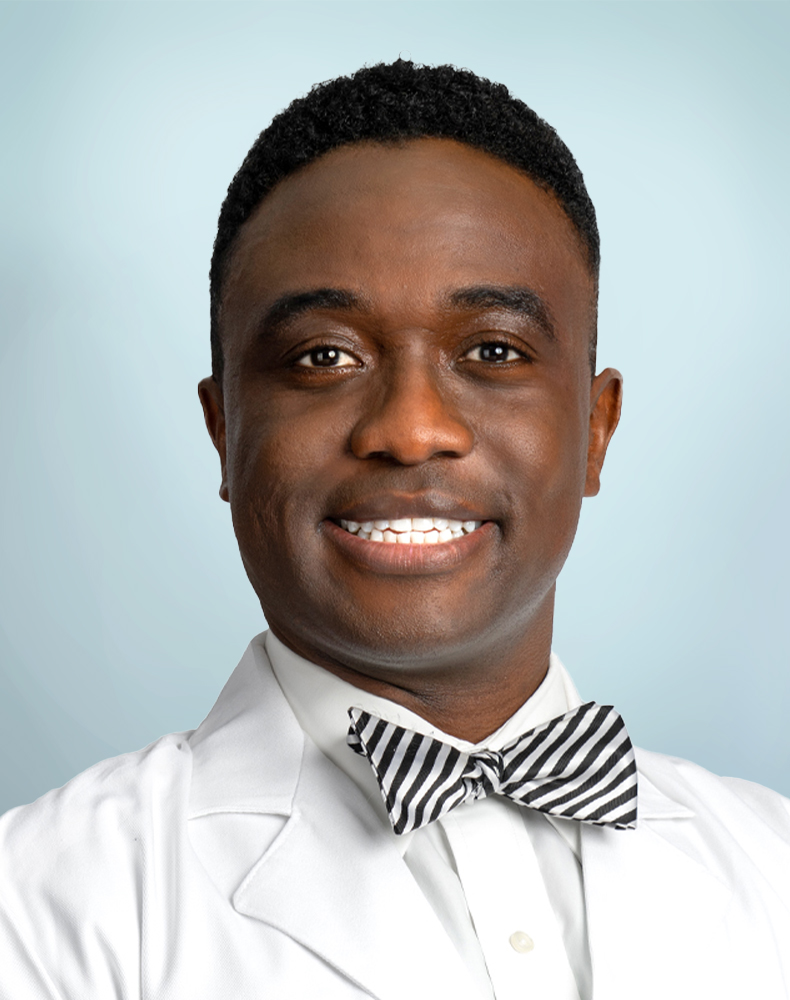

 Norman Ajiboye, MD Neuro-Interventional, Vascular Interventional Neurology
 -
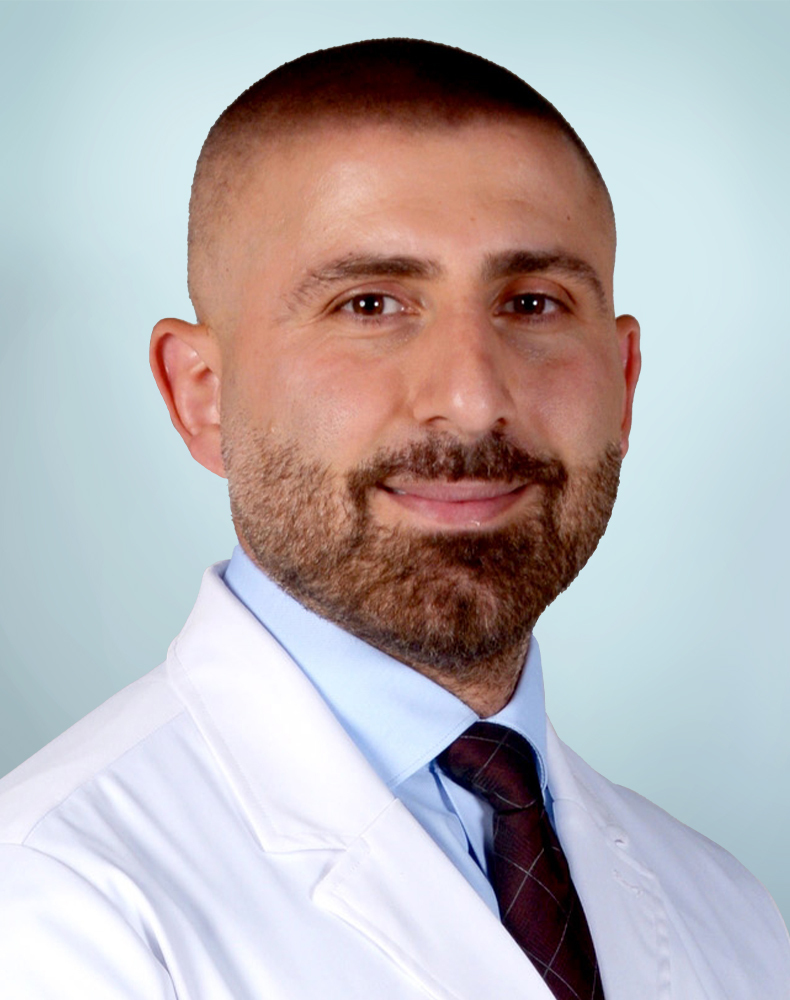 Hisham Alhajala, MD Neuro-Interventional, Vascular Interventional Neurology
 -
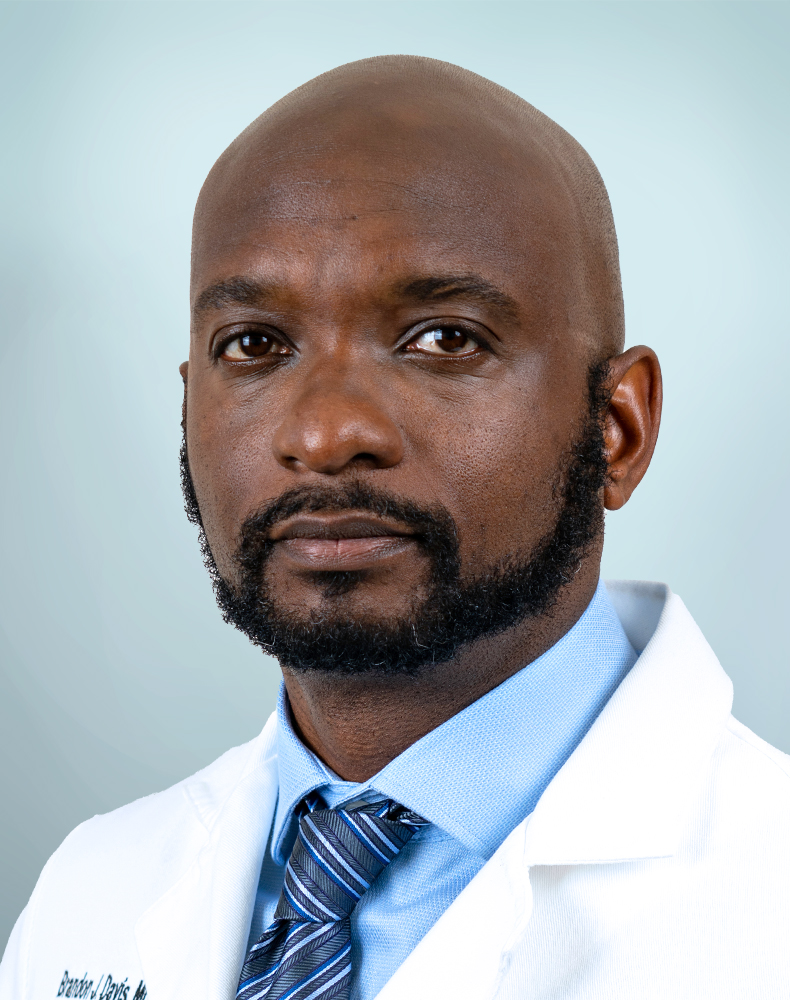 Brandon Davis, MD, PHD Neurosurgery, Neuro-Interventional
 -
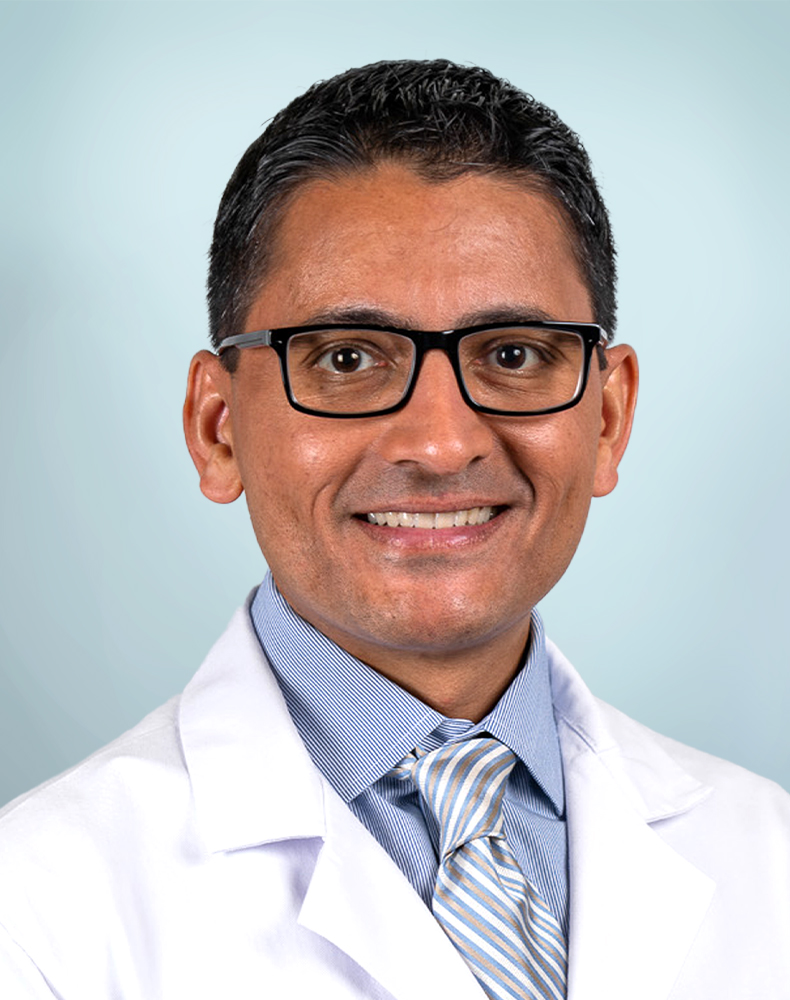 Brijesh Mehta, MD Neuro-Interventional, Vascular Interventional Neurology